Optimal Timing for Concrete Leveling
Concrete levelings are most effectively performed during specific weather conditions that allow for proper curing and adhesion. The optimal time generally falls during mild temperatures with low humidity and no precipitation, ensuring the materials set correctly and the surface remains stable.
These seasons typically offer moderate temperatures and lower humidity, making them ideal for concrete levelings. Avoiding extreme heat or cold helps achieve the best results.
The best temperature range for concrete leveling is usually between 50°F and 85°F. Temperatures outside this range can affect the curing process and durability of the repair.
Dry weather with minimal rain is preferred. Wet conditions can interfere with the bonding process and lead to uneven surfaces or future settling.
Scheduling during stable weather conditions ensures the concrete cures properly, resulting in a longer-lasting, even surface.
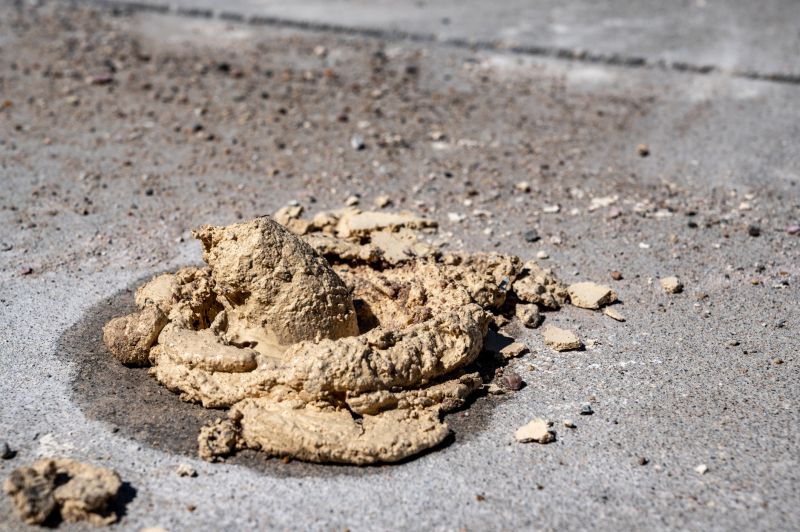
A technician injecting material to lift and level uneven concrete surfaces.
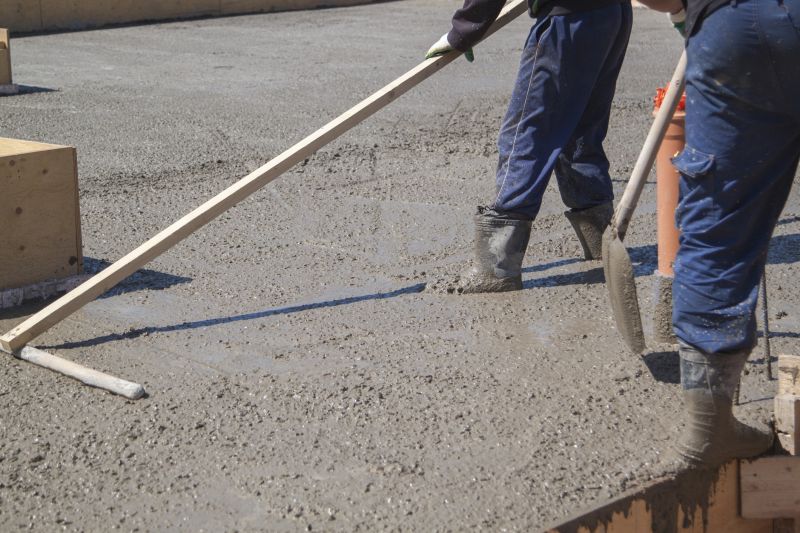
Comparison of uneven and leveled concrete surfaces.
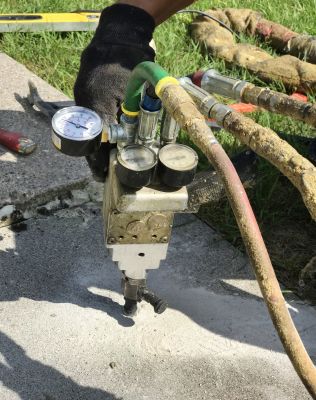
Tools and machinery involved in concrete leveling.
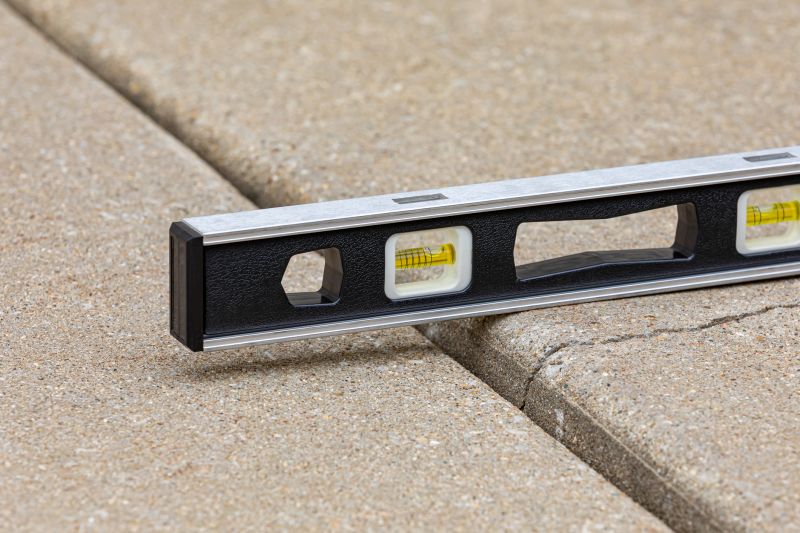
Ways to make Concrete Levelings work in tight or awkward layouts.
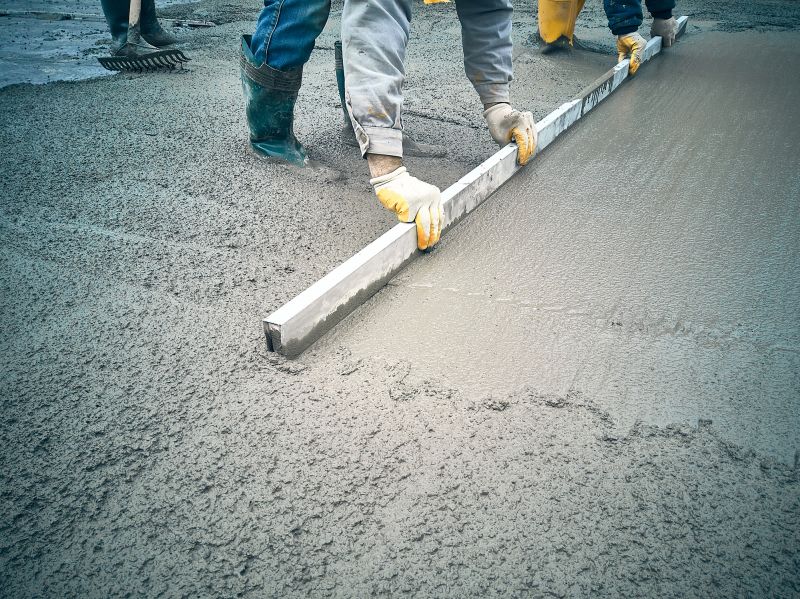
Popular materials for Concrete Levelings and why they hold up over time.
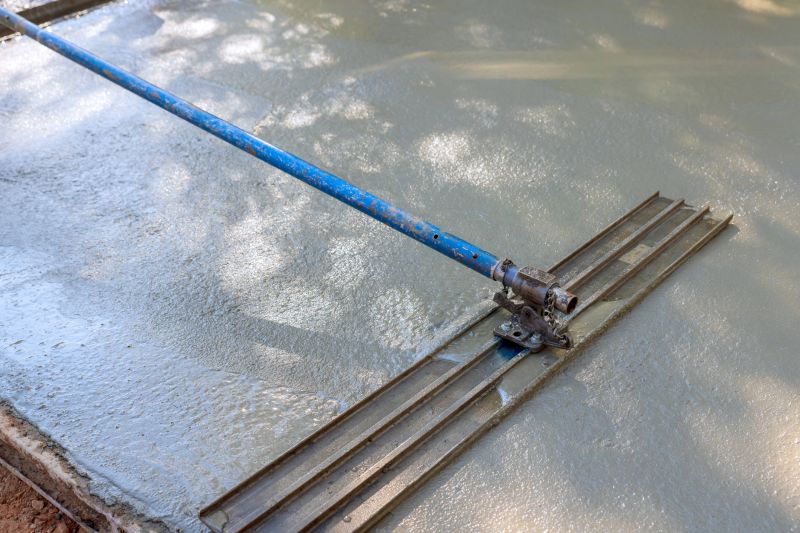
Simple add-ons that improve Concrete Levelings without blowing the budget.
| Season | Ideal Conditions |
|---|---|
| Spring | Moderate temperatures, low humidity, dry weather |
| Summer | Warm temperatures, avoid extreme heat and rain |
| Fall | Cooler temperatures, dry conditions |
| Winter | Not recommended due to freezing temperatures |
| Early Morning | Cool and dry, suitable for scheduling |
Concrete levelings involve raising and leveling uneven surfaces to restore safety and aesthetics. This process typically uses polyurethane foam or other materials to fill voids and lift slabs, providing a quick and minimally invasive solution. Proper timing ensures the materials cure correctly, preventing future settling or cracking.
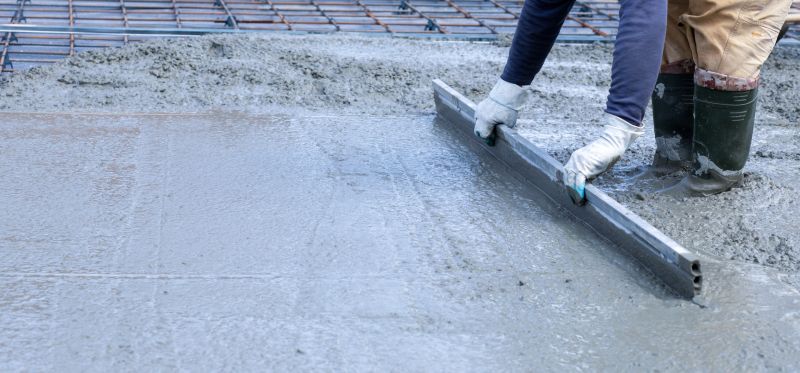
Technicians injecting foam beneath the concrete slab.
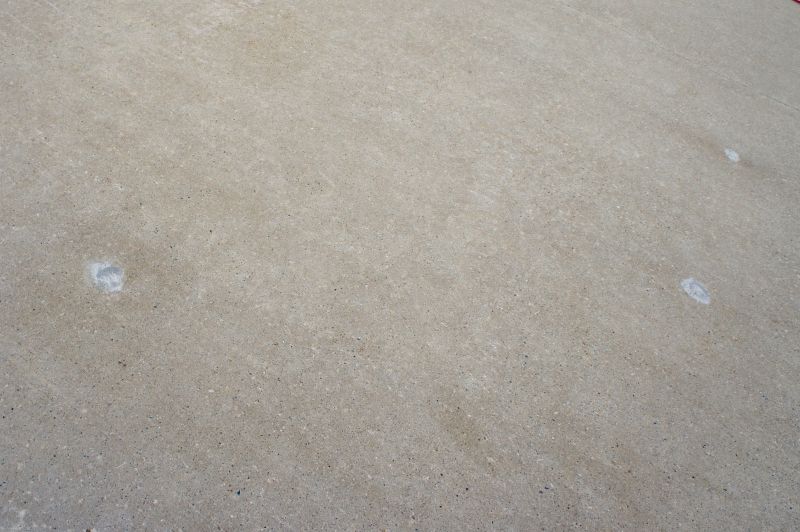
Completed leveling with an even surface.
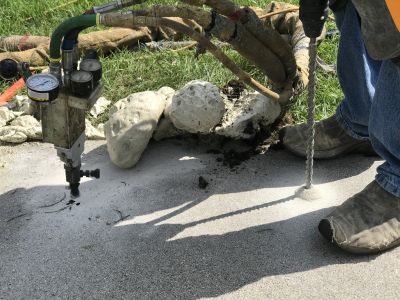
Tools used for efficient leveling.
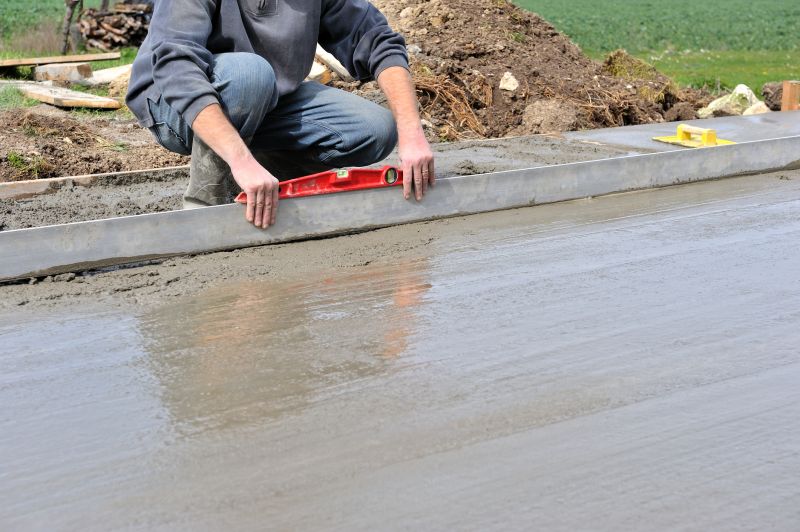
Preparing the area for leveling work.

High-end options that actually feel worth it for Concrete Levelings.

Finishes and colors that play nicely with Concrete Levelings.
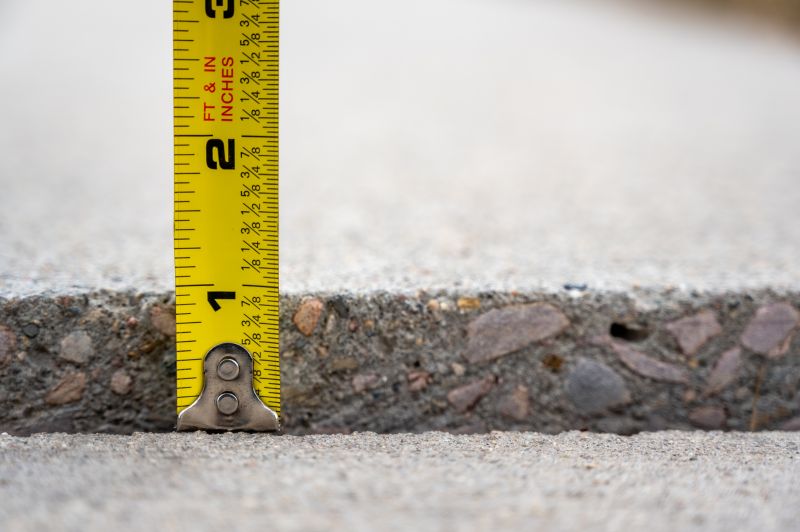
Little measurements that prevent headaches on Concrete Levelings day.

A 60-second routine that keeps Concrete Levelings looking new.

A frequent mistake in Concrete Levelings and how to dodge it.
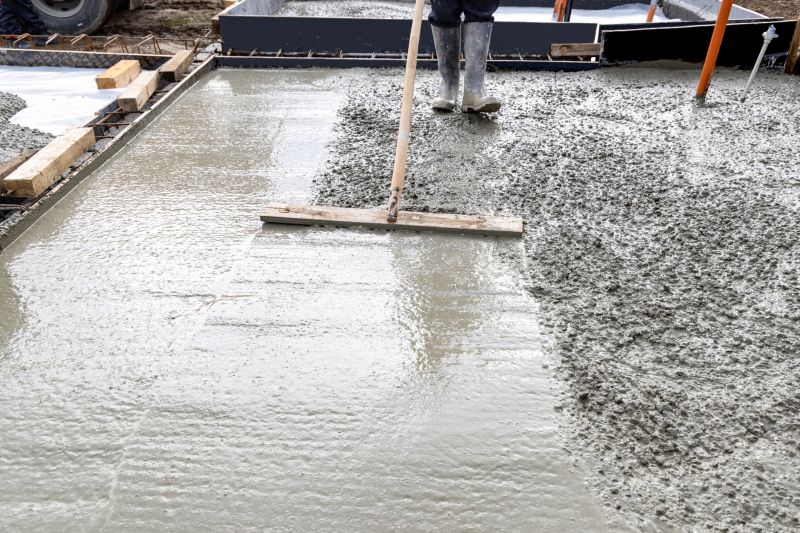
Small tweaks to make Concrete Levelings safer and easier to use.
Scheduling concrete levelings during suitable weather conditions ensures optimal results and longer-lasting surfaces. Consulting with professionals can help determine the best timing based on current weather patterns and site conditions.
Interested in improving your concrete surfaces? Fill out the contact form to receive more information about scheduling a concrete leveling service tailored to Montgomery, AL.