
Ultimate Selection Of Concrete Leveling Equipment
Find the essential tools and products that ensure precise and durable concrete leveling for any job size or complexity.
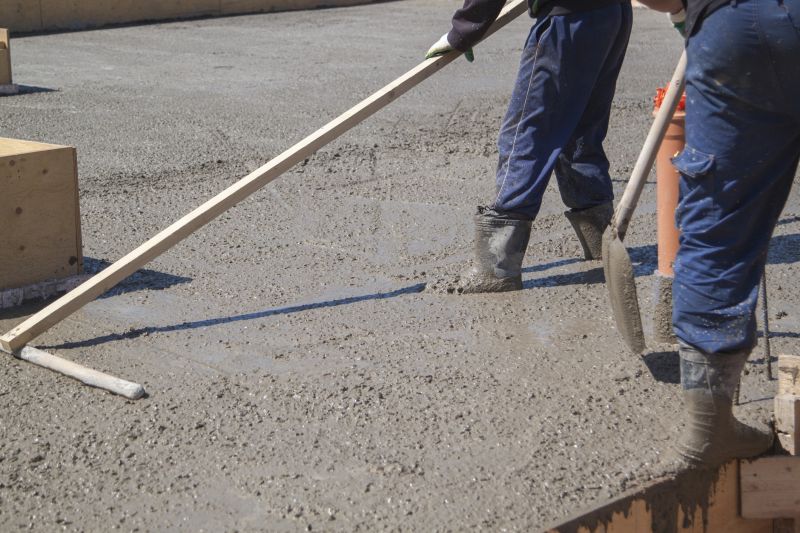 Concrete leveling is a practical solution for addressing uneven or sunken surfaces commonly found in driveways, sidewalks, patios, and flooring. When concrete shifts or settles over time due to ground movement or soil erosion, it can create tripping hazards and aesthetic concerns. Various products are available to help restore a smooth, level surface, each suited to different types of repairs and project scales. Understanding the range of options can assist homeowners and contractors in selecting the most appropriate materials for their needs.
Top Overall Option
Polyurethane Foam Injection System
A polyurethane foam injection system is a versatile and minimally invasive solution for lifting and stabilizing sunken concrete slabs. These products expand beneath the surface to fill voids and raise the slab to a level position. They are well-suited for residential and commercial repairs, offering quick curing times and minimal disruption. Proper application can improve the surface's safety and appearance while providing a long-lasting fix.
Types of Products For Concrete Levelings
Polyurethane Foam
Expandable foam injected beneath concrete to lift and stabilize slabs, ideal for residential and commercial applications.
Cement-Based Patches
Traditional cement mixes used to fill low spots and repair surface irregularities in concrete surfaces.
Self-Leveling Compounds
Fluid compounds that spread evenly to create a smooth surface, often used indoors for flooring repairs.
Mudjacking Slurry
A mixture of water, cement, and soil used to lift sunken slabs by filling voids beneath the surface.
Polymer-Modified Mortar
Enhanced mortar mixes for repairing and leveling concrete surfaces with improved adhesion and durability.
Epoxy Resin Systems
Resin-based products used to fill cracks and reinforce concrete surfaces for added stability.
Hydraulic Cement
Quick-setting cement used to seal cracks and fill voids in concrete structures.
Polyurea Coatings
Rapid-curing coatings that can be used to level and protect concrete surfaces in high-traffic areas.
Liquid Cementitious Pours
Flowable mixes that can be poured into low spots to restore level surfaces, suitable for interior use.
Concrete Resurfacing Products
Overlay materials designed to cover and level existing concrete surfaces for aesthetic improvement.
Fiber-Reinforced Patches
Patches reinforced with fibers for added strength and flexibility in repairing cracks and surface defects.
Polymer Grouts
High-viscosity grouts used to fill voids and stabilize concrete slabs with precision.
Popular Choices
Widely used for lifting and stabilizing sunken slabs due to its expanding properties and quick application.
Commonly selected for interior leveling projects to achieve a smooth, even surface.
Popular for interior flooring installations where a flat, smooth base is needed.
A traditional method for raising sunken concrete slabs, often favored for its cost-effectiveness.
Effective for filling and sealing cracks, enhancing the integrity of concrete surfaces.
Quick-setting solutions for sealing and repairing concrete cracks and small voids.
Fast-curing coatings used for leveling and protecting concrete in high-traffic zones.
Flowable products ideal for interior leveling and filling low spots.
Overlay materials popular for restoring the appearance of worn or damaged concrete surfaces.
Polyurethane foam injections are among the most popular methods for concrete leveling. These products expand beneath the slab to lift and stabilize the surface without the need for extensive demolition. They are often favored for their quick curing times and minimal disruption to surrounding areas. Cement-based patches and overlays provide a more traditional approach, suitable for filling in low spots and enhancing surface uniformity. Additionally, self-leveling compounds are useful for interior applications where a smooth, even finish is desired.
When choosing products for concrete leveling, it is important to consider factors such as the extent of the damage, the type of concrete, and the environment in which the repair will take place. Some products are specifically formulated for exterior use and can withstand weather exposure, while others are designed for indoor applications. Proper surface preparation and application techniques are crucial to achieving durable and satisfactory results. Consulting with professionals or thoroughly researching product specifications can help ensure that the selected products meet the specific requirements of each project.
Overall, the right concrete leveling products can significantly improve the safety, appearance, and functionality of concrete surfaces. Whether addressing minor surface irregularities or major settling issues, there are versatile options available to suit various repair needs. By selecting appropriate materials and following recommended procedures, property owners can effectively restore their concrete surfaces with minimal hassle and long-lasting results.
Key Buying Considerations
- Assess the extent and severity of the concrete damage or unevenness to determine the appropriate product type.
- Choose products that are compatible with the specific concrete surface and environment, such as outdoor or indoor use.
- Consider the curing time required for each product and plan accordingly to minimize disruption.
- Evaluate the ease of application and whether professional installation is recommended or required.
- Review the durability and longevity of the product, especially for high-traffic or load-bearing surfaces.
- Check if the product is suitable for the size of the repair area, from small cracks to large slabs.
- Identify whether the product is designed for structural stabilization or surface leveling only.
- Ensure proper surface preparation before application to maximize adhesion and effectiveness.
- Look for products with clear instructions and safety guidelines to ensure proper use.
- Consider the cost and whether the product provides good value for the scope of the project.
- Verify if the product is suitable for the local climate conditions in Montgomery, AL.
- Determine if the product is compatible with existing repair methods or materials already in use.
- Assess the environmental conditions, such as moisture levels, that may affect the product's performance.
- Review customer feedback and ratings to gauge user satisfaction and product reliability.
- Consult with professionals if uncertain about the best product choice for specific repair needs.